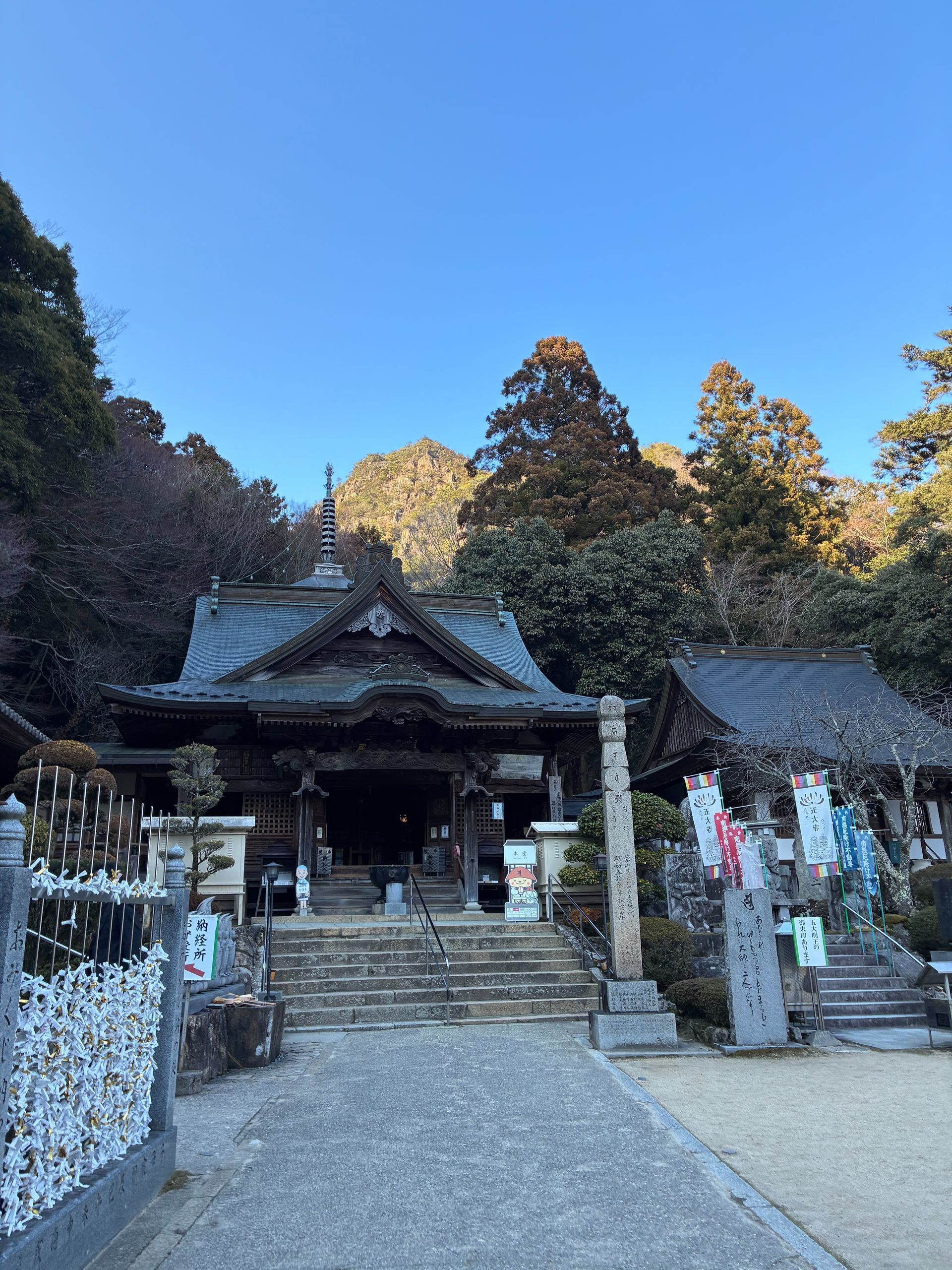
The Shikoku 88-Temple Pilgrimage
A Journey Across Time to Discover Your Soul
Highlights & History
Escape the daily noise and find inner peace through the Shikoku 88 Temple Pilgrimage. Surrounded by rich nature and deep history for over 1,200 years, every step of this sacred journey carries a profound meaning.
Why 88 temples? What do the iconic white robes and staff represent? Uncover the subtle wisdom and beauty of the Shikoku Pilgrimage—and enrich your journey step by step.
Why 88 Temples?
There are various theories as to why the Shikoku Pilgrimage features 88 temples, but the number is deeply tied to human life and spirituality.
①Dispelling 88 Worldly Desires (Bonnō)
Visiting all 88 temples symbolizes clearing away the 88 mental illusions and anxieties that afflict human minds.
②Warding Off Life's Misfortunes (Yakudoshi)
The number 88 matches the combined ages of traditional misfortune years—42 for men, 33 for women, and 13 for children—making the loop a journey for cleansing bad luck.
Spanning four stages—Awakening (Tokushima), Ascetic Training (Kochi), Enlightenment (Ehime), and Nirvana (Kagawa)—the journey through Shikoku offers a dramatic path toward self-reflection.
The Spirit of "Dōgyō Ninin": White Robes & The Sacred Staff
A 1,200 km loop journey visiting sacred sites associated with Kobo Daishi, the beloved monk who created the route.
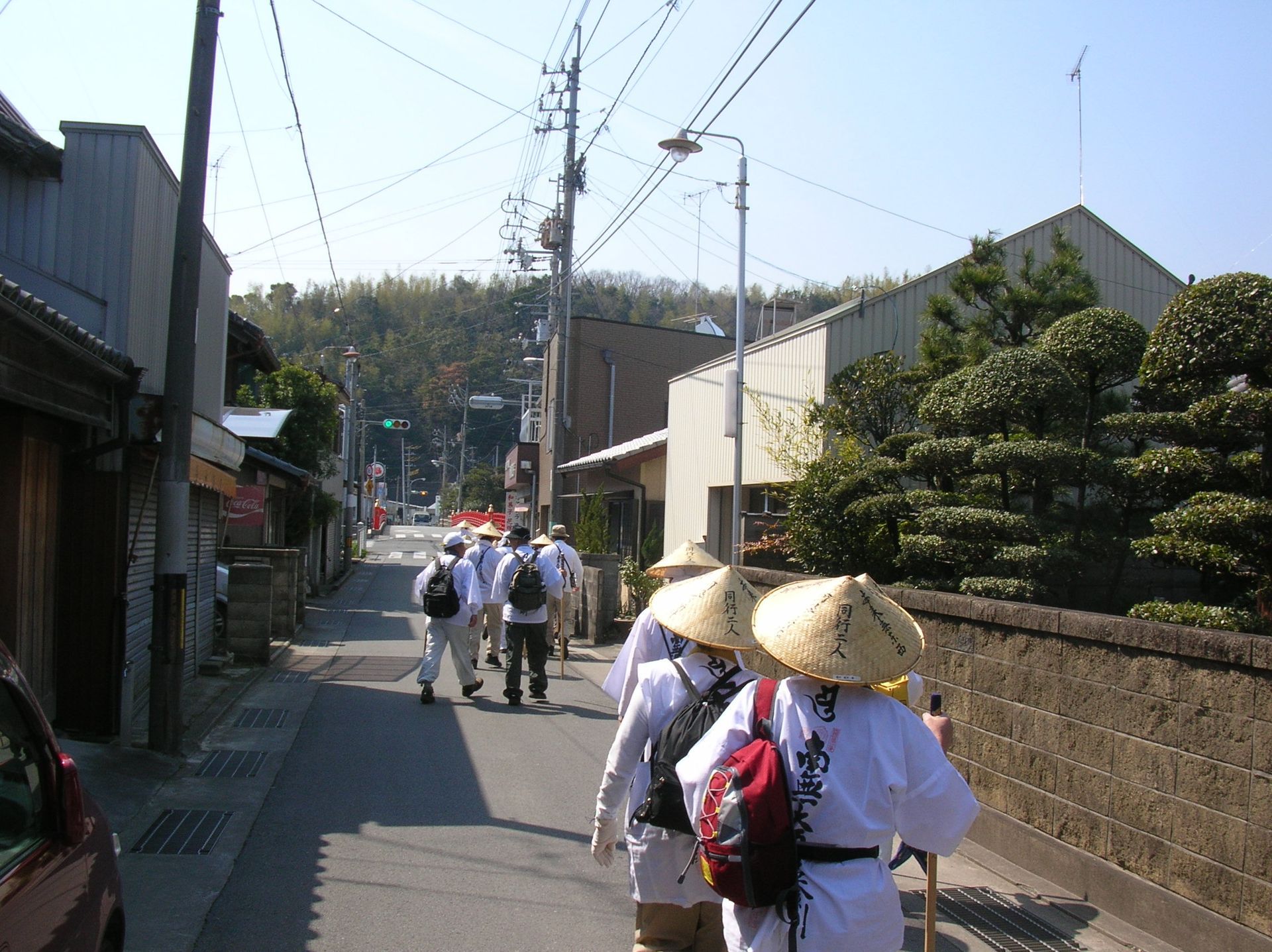
When thinking of Ohenro pilgrims, the iconic image of someone dressed in a white robe (Byakue), wearing a woven straw hat (Sugeta), and carrying a wooden staff (Kongozue) comes to mind. Rather than a mere uniform, these items carry a profound spiritual meaning designed to protect the traveler throughout their journey.
White Robes (Byakue) Historically worn as burial garments for a perilous journey, the white attire originally symbolized a readiness for death without regret. Today, it represents purity and equality among all pilgrims.
Pilgrim's Staff (Kongozue) Far more than a walking stick, the Kongozue is revered as the physical embodiment of Kobo Daishi traveling right beside you.
"Doko Ninin" (Two Traveling Together) The core spirit of the pilgrimage: you never walk alone. Showing respect for Kobo Daishi's presence, pilgrims traditionally wash the base of their staff upon arrival at their lodging and rest it in the room's honored alcove (tokonoma).
Day1
Starting Point & Experiencing the Pilgrimage Culture
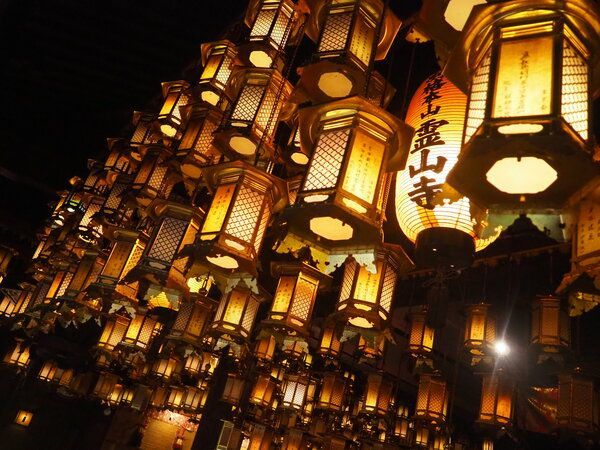
Temple 1: Ryozen-ji
This is the birthplace and the very first step of the Shikoku 88 Temple Pilgrimage. Within the temple grounds, you will find an impressive Nio Gate and a Tahoto pagoda. Here, pilgrims purchase their Nokyo-cho (stamp book) and pilgrimage gear, praying for safety and the fulfillment of their wishes before setting off on their journey.
Day2
A Day of Breathtaking Views, Social-Media Moments, and Kobo Daishi's Legacy
Temple 66: Unpen-ji & Unpenji Summit Park
This is the highest-elevation temple on the Shikoku 88 Pilgrimage (approx. 911 meters), accessed via a thrilling ropeway ride. The "Swing in the Sky" and "Sky Photo Frame" in the mountaintop park offer panoramic views of the Sanuki Plain and the Seto Inland Sea, making it a hugely popular spot that looks amazing on social media!
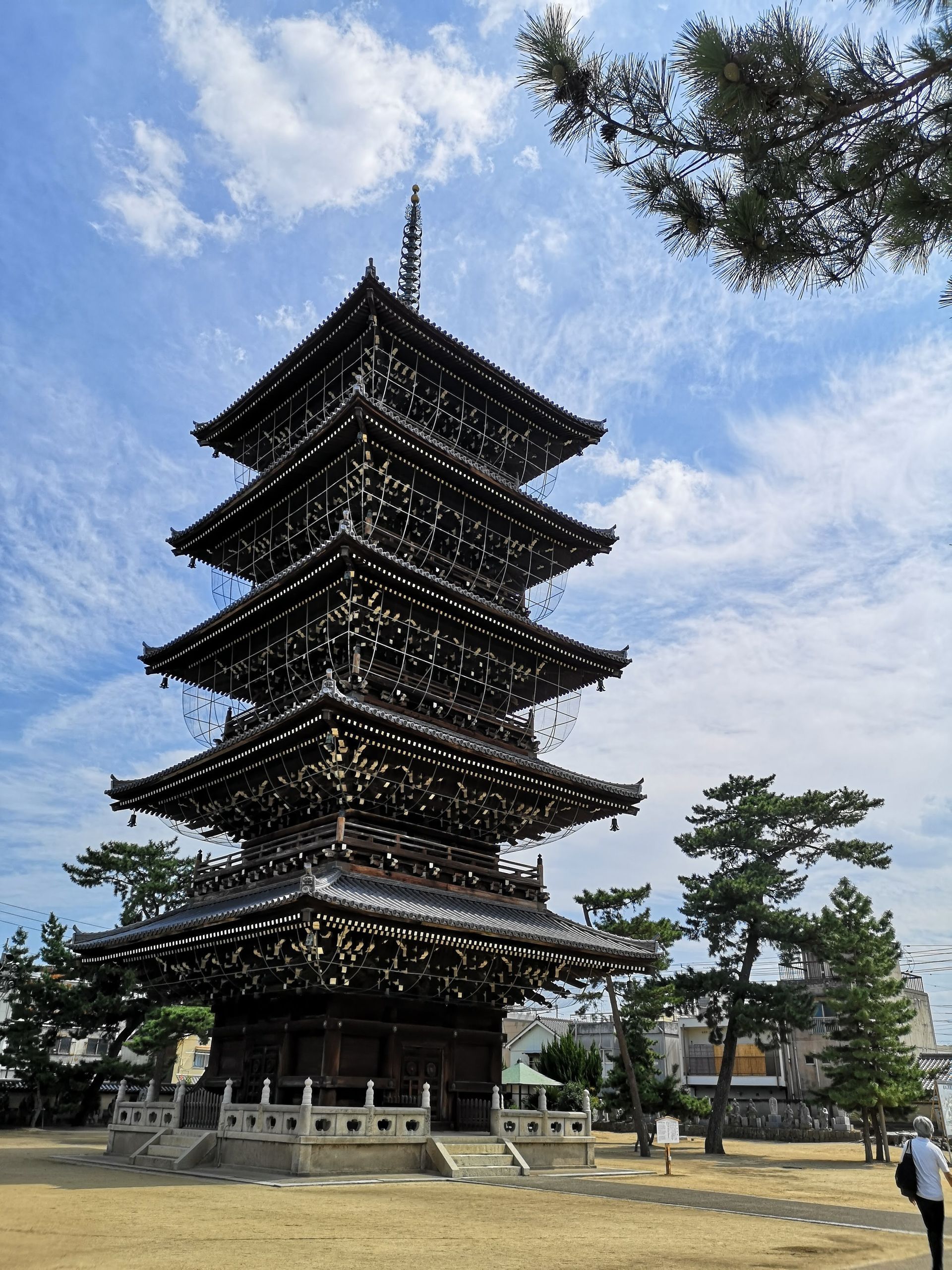
Temple 75: Kaidan-meguri (Pitch-Black Tunnel Walk) at Zentsu-ji
The birthplace of Kobo Daishi (Kukai) and one of the Three Major Sacred Sites associated with him.
The Kaidan-meguri (pitch-black tunnel walk) beneath the main hall. Navigating the pitch-black corridor along the wall to form a spiritual bond with Kobo Daishi is an unmissable, mystical experience.
Day3
Stunning Natural Surroundings and the Fulfillment of "Kechigan"
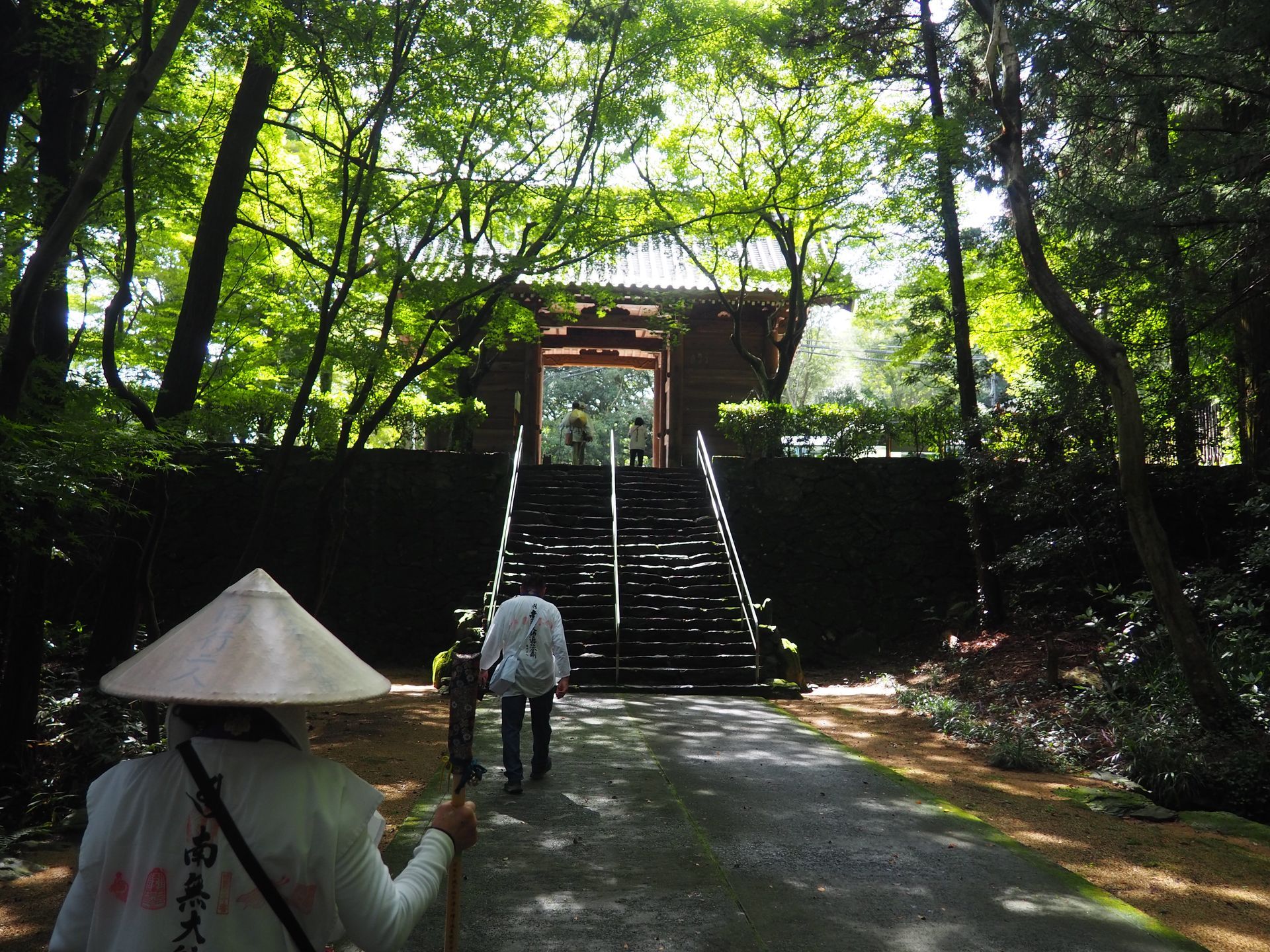
Temple 82: Nego-ji
A prestigious temple wrapped in the tranquil forests of Goshikodai. It is known for the legend of the ancient monster Ushioni passed down within its grounds, as well as for being a famous spot for vibrant autumn foliage and fresh green maples.
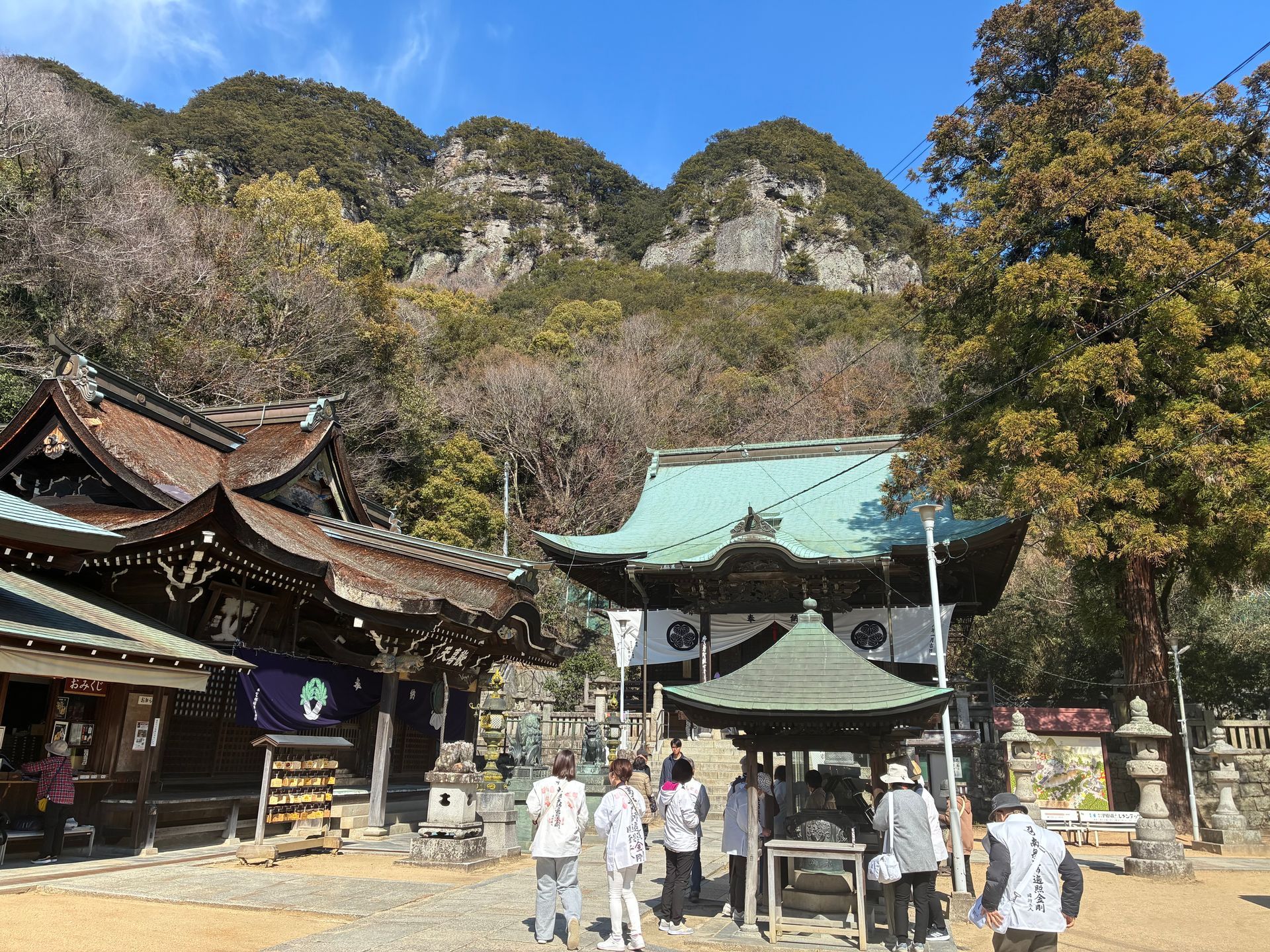
Temple 85: Yakuri-ji
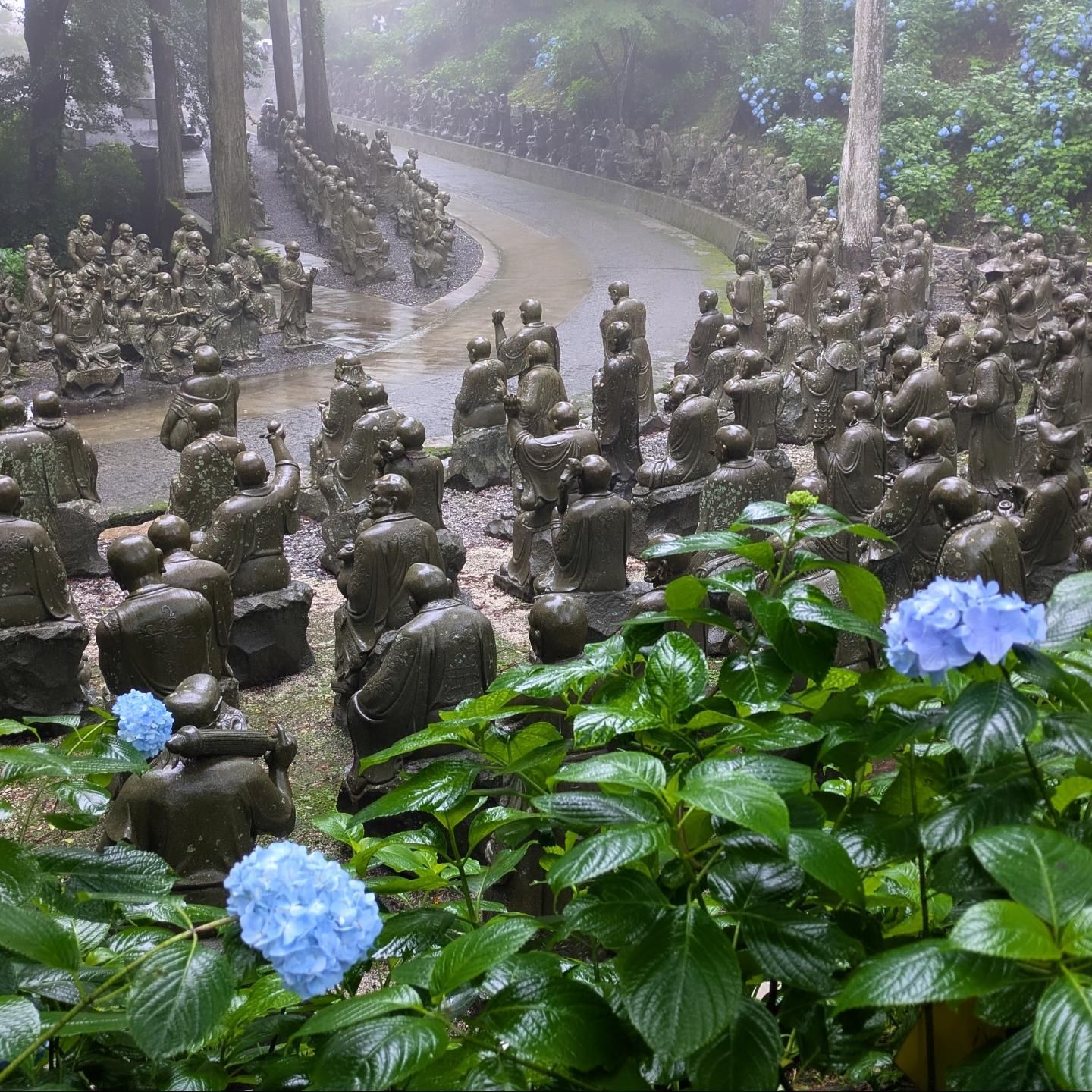
The temple grounds set against the towering, rugged cliffs of Mount Goken (Gokenzan) behind it are truly breathtaking. Taking the charming retro cable car up (subject to operation) and taking in the sweeping views over the historic Genpei War battlefield of Yashima are also absolute highlights.